
A solar health check, measured rather than guessed
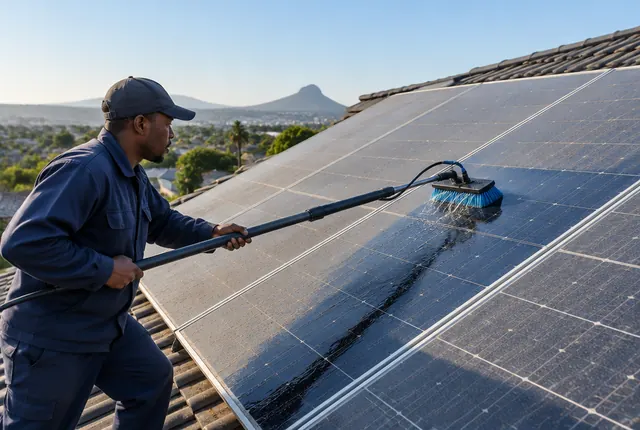
Solar systems lose output quietly. A failed string, a hot connector or a battery set to the wrong limits can cost months of production before anyone notices. An inspection measures each part and tells you what to fix first.
Worth a call if
- Your production has dropped
- You are buying or selling a house with solar
- A storm hit the area
- Nobody has looked at the system in a year
What we test
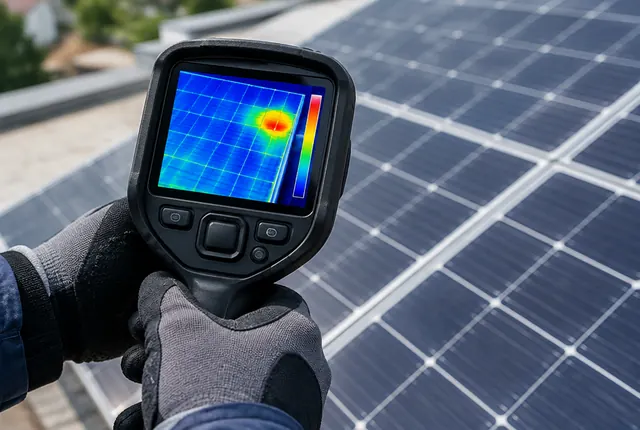
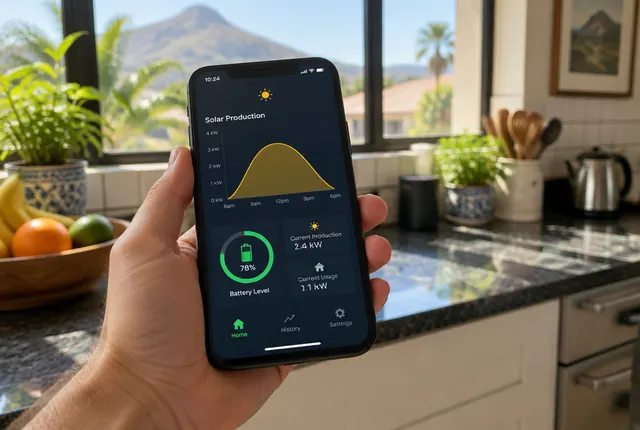
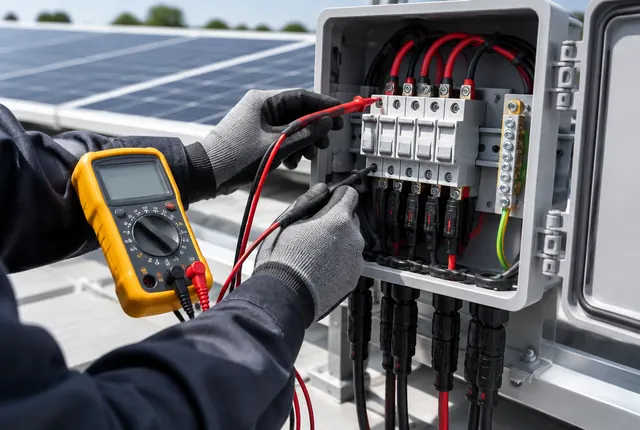
Thermal imaging of the panels picks up hot spots, failed bypass diodes and bad cells. String voltage and current tests confirm each string is pulling its weight. We read the inverter’s fault log, check battery state of health and settings, and inspect isolators, surge protection and earthing in the DB board.
When to book one
After a hailstorm or lightning, when buying a house that already has solar, when output has dropped, when an inverter shows fault codes, or once a year as routine.
Buying a house with solar?
An inspection tells you what condition the system is in and whether it has a valid CoC. That is worth knowing before transfer, not after.
The written report includes
- 1
Thermal images of the array
With any hot spots marked.
- 2
String test results
Measured against what each string should produce.
- 3
Inverter and battery settings
Current values, fault history and recommended changes.
- 4
Safety findings
Protection, isolation and earthing issues, ranked by urgency.
- 5
Fix list with options
What to fix now, what can wait, and a quote if you want us to do it.
More maintenance
Questions people ask us
How long does an inspection take?
A typical home system takes two to three hours on site. The report follows within a few working days.
Will you inspect a system another installer put in?
Yes. Many of our inspections are on systems we did not install.
Request a quote
Send the basics and we reply to arrange a site visit or a quote. A photo of your DB board and a recent electricity bill help us prepare, and you can attach them to the email this form opens.