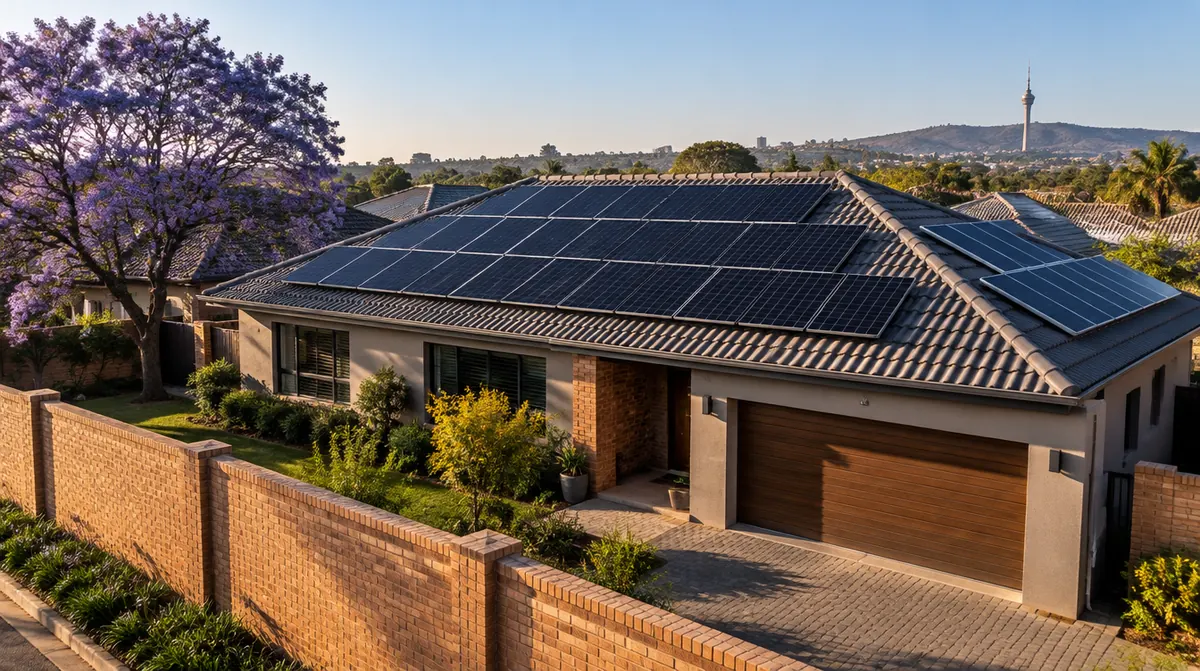
Panels
Turn sunlight into DC power. Sized to your daily energy use and roof space.

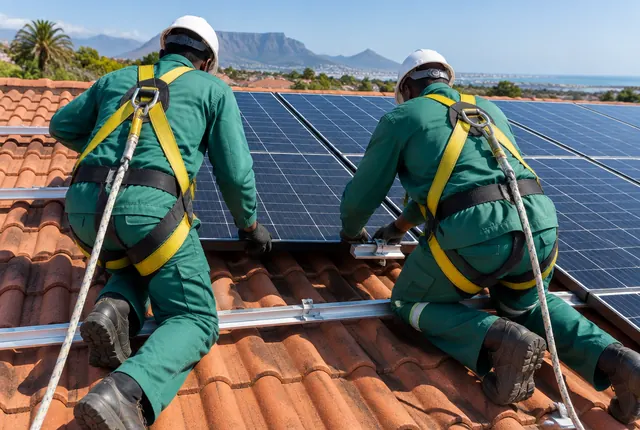
Every system we install starts with a site visit and a list of what you need to keep running. From that list we size the inverter, the battery and the panels, then install, test and sign off.
Home solarMost homes we quote want two things: the lights, Wi-Fi, fridge and TV kept on during power cuts, and a smaller electricity bill.Read more about home solar
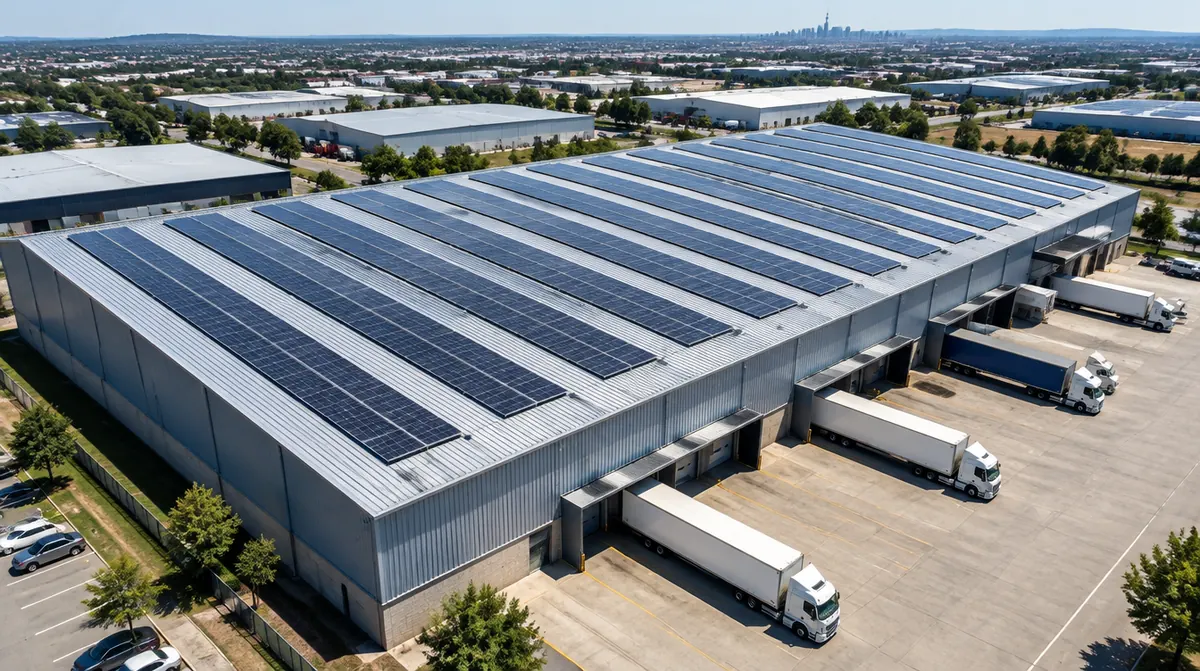 Business solarOffices, shops, workshops and warehouses use most of their power between eight and five, which is when panels produce.Read more about business solar
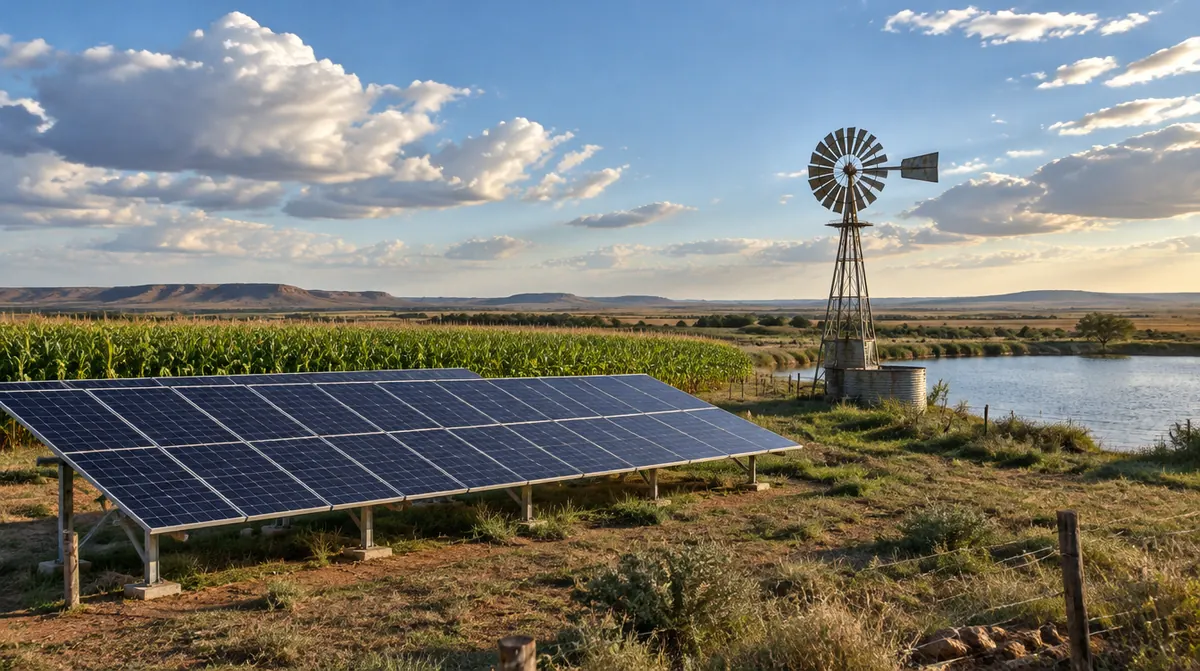 Farm solarFarms have long cable runs, big motors and supply that drops out for days.Read more about farm solar
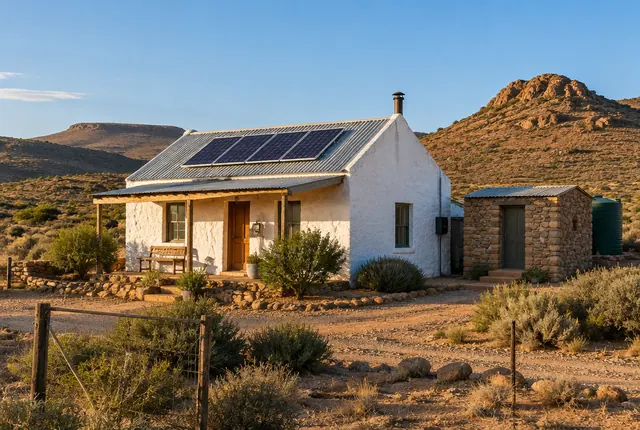 Off-grid solarAn off-grid system has no grid to fall back on, so it has to be sized for the worst week of winter, not an average day.Read more about off-grid solar
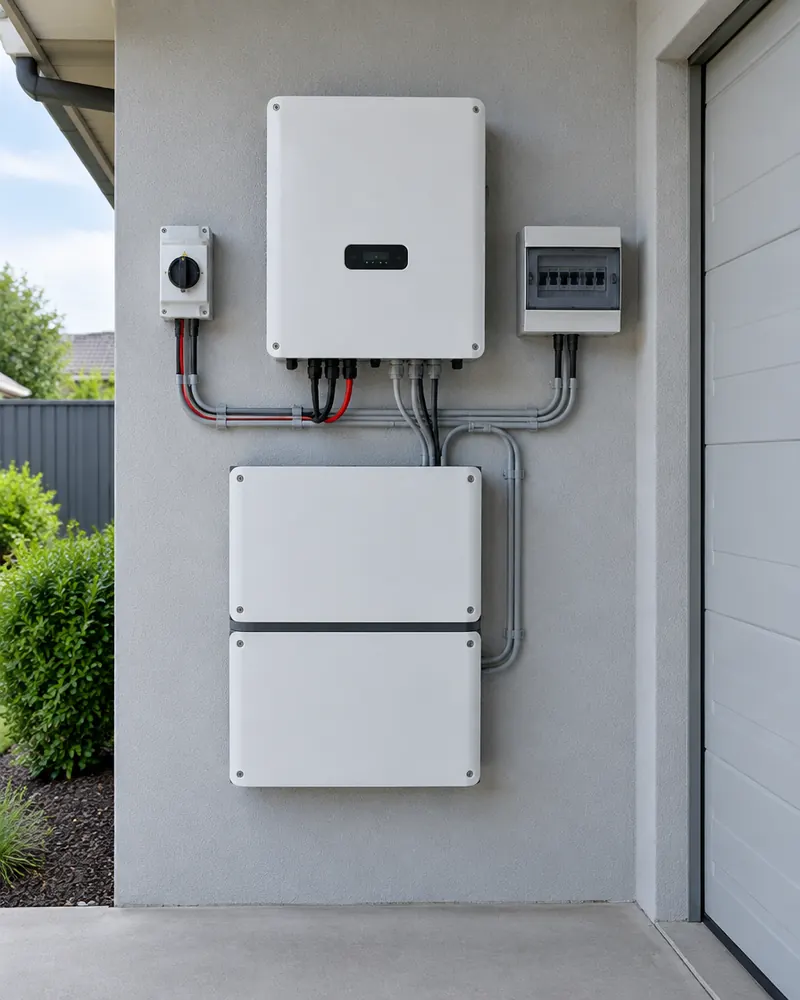 Inverter and battery backupWhen the power drops, the inverter switches the house over to the battery fast enough that most lights and Wi-Fi routers do not notice.Read more about inverter and battery backup
Turn sunlight into DC power. Sized to your daily energy use and roof space.
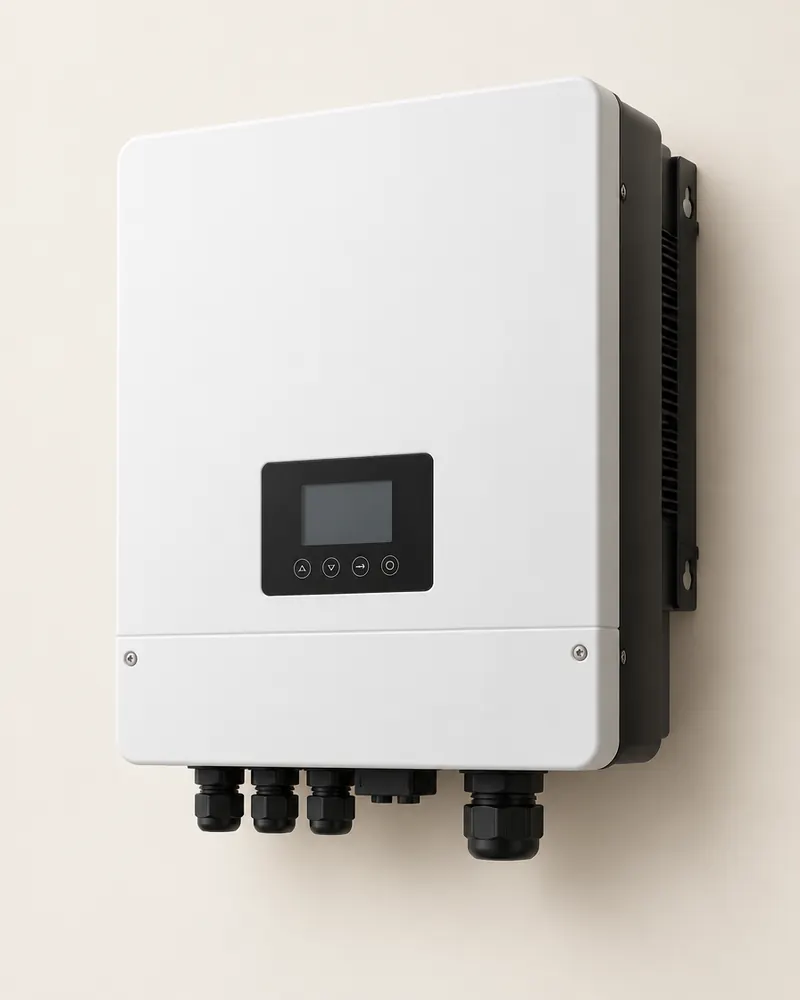
Converts DC to household AC, manages the battery and the grid. Sized to your peak load.
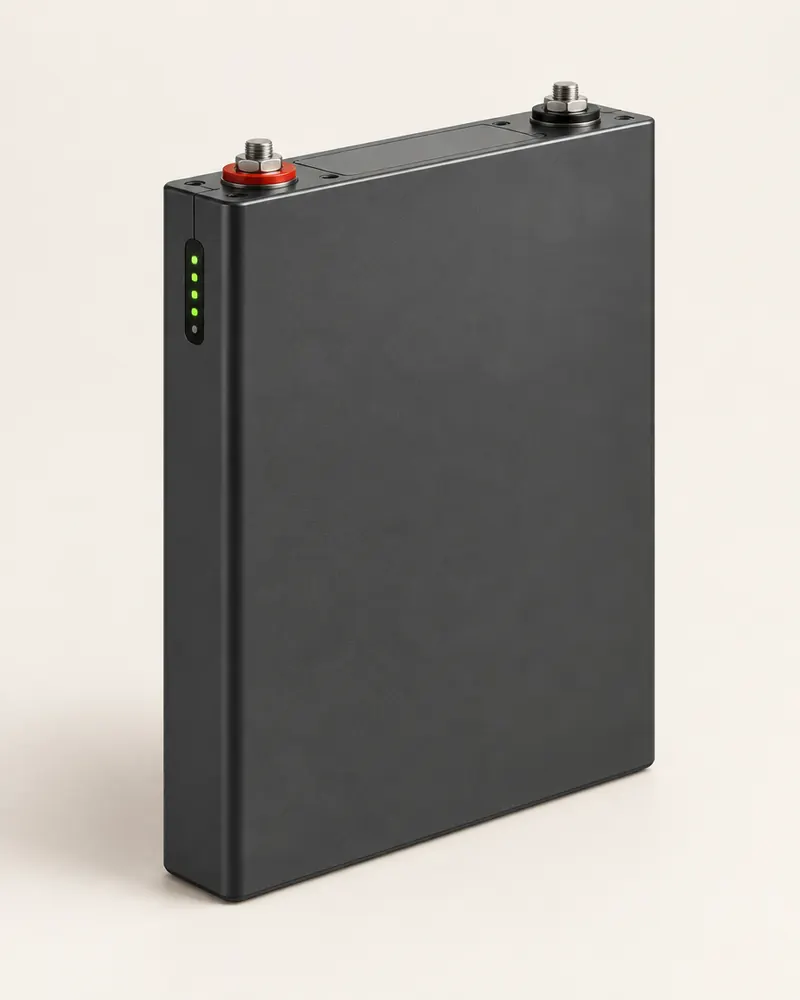
Stores energy for evenings and power cuts. Sized to the hours you need covered.
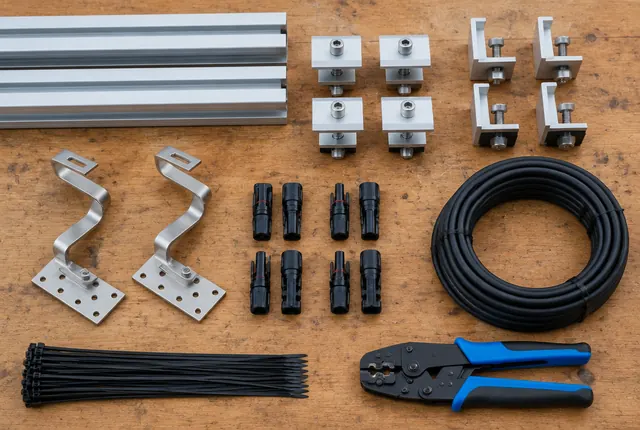
Holds the panels to the roof and carries the power down. Where cheap parts fail first.
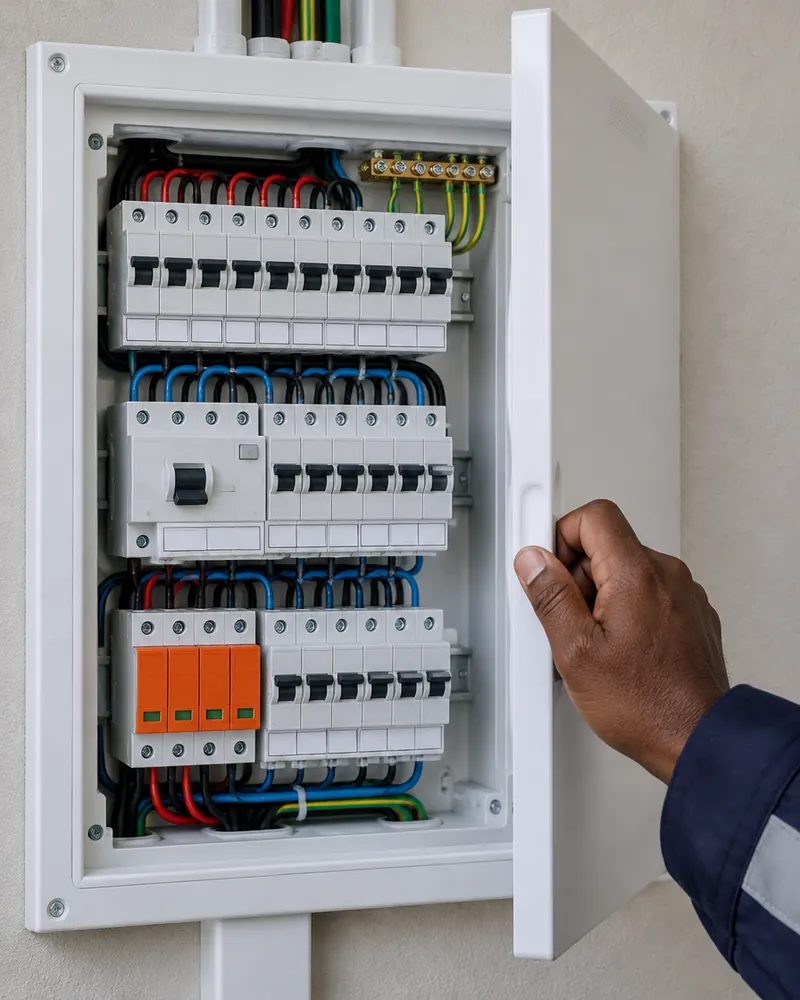
Isolators, surge protection, breakers and earthing. Keeps the system and the house safe.
Grid-tied and hybrid systems must be installed to the wiring code (SANS 10142-1), need an electrical Certificate of Compliance, and in many municipalities need small-scale embedded generation (SSEG) registration. We check your municipality’s rules before we quote. How SSEG registration works.
It can, but a 3 kW geyser element drains a battery fast. Most homes do better with a solar geyser, a heat pump, or a timer that heats the geyser from the panels around midday. We put the geyser on the plan only when the numbers work.
Mostly. Roof work and panel mounting happen while you trade. The tie-in to the distribution board needs a short planned shut-down, which we schedule after hours or on a weekend.
Often, yes. We need the borehole depth, yield test results and the height to the tank. With that we can say whether a solar pump can deliver your daily water.
That is a design choice. More battery means more days, at a higher cost. Most of our off-grid designs carry one to two days of essential loads and lean on a generator after that.
A kettle draws about 2 kW for a few minutes. Most backup inverters can handle it, but it uses battery quickly and can trip the inverter if other big loads are on. We tell you exactly which appliances your system can start.
Send the basics and we reply to arrange a site visit or a quote. A photo of your DB board and a recent electricity bill help us prepare, and you can attach them to the email this form opens.