Why municipalities ask
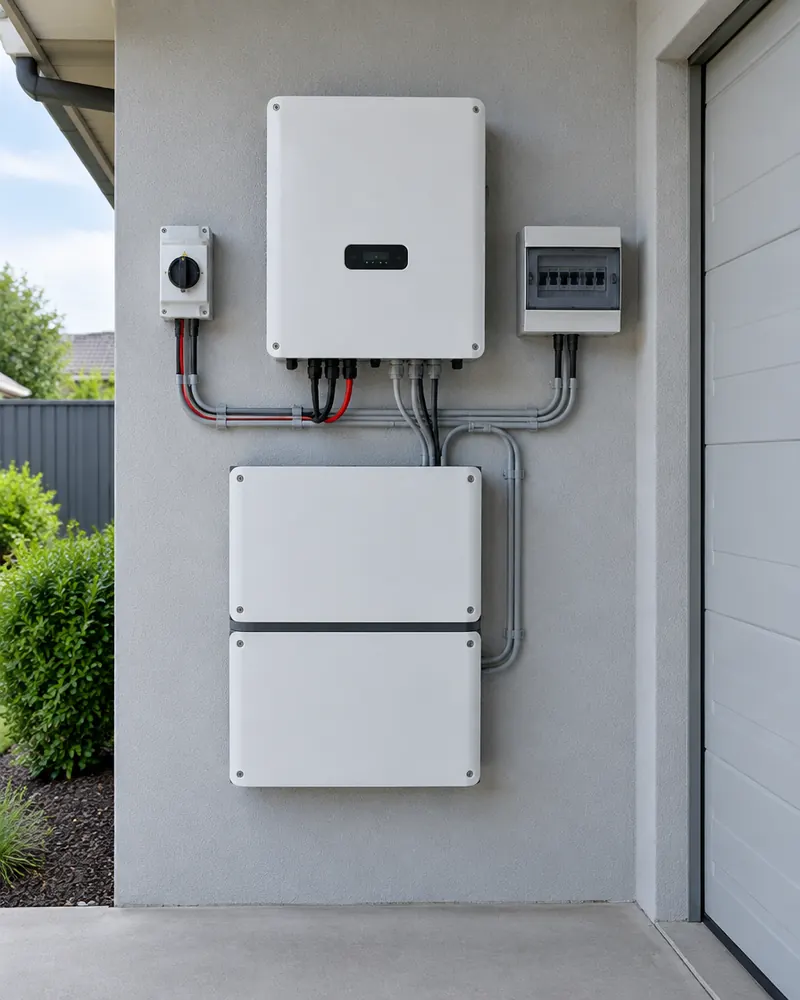
A system that is wired to the grid could push power onto the lines. Registration lets the municipality check that the inverter disconnects safely during outages and that the installation was done properly.
Which systems need it
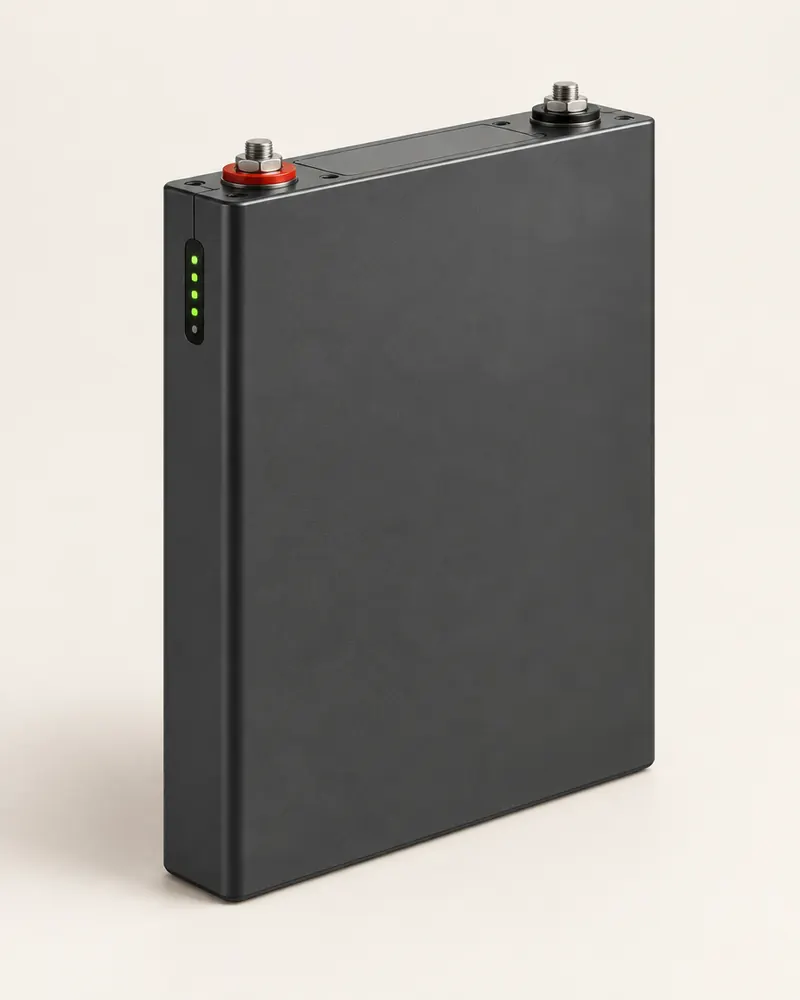
Generally any grid-tied or hybrid system connected to the municipal supply, including systems set not to export. Fully off-grid systems with no connection usually do not. Some municipalities also cover battery-only backup. Check your own municipality’s rules.
Documents usually asked for
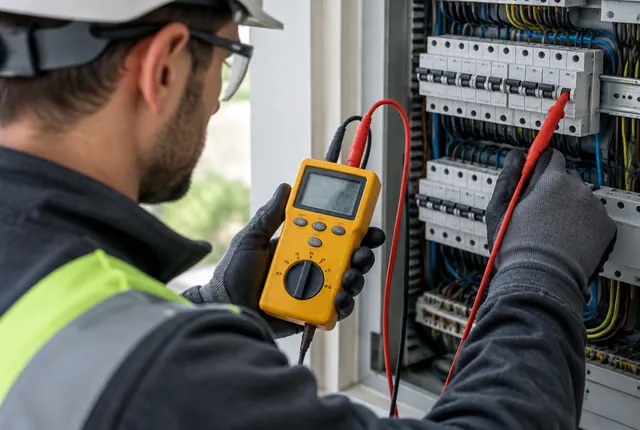
An application form, a single-line diagram of the installation, the inverter’s compliance certificate for NRS 097-2-1, the electrical Certificate of Compliance, and sometimes a structural sign-off for the roof mounting.
Feed-in and meters
If you want to export power and be credited, the municipality may need to replace your meter with a bi-directional one, and may move you to a specific tariff. Not every municipality offers this.
How to avoid delays
Choose an inverter on your municipality’s approved list before you buy, keep every datasheet and certificate, and submit after installation with the CoC attached. We prepare the pack for systems we install.