Step 1: list what must run at the same time
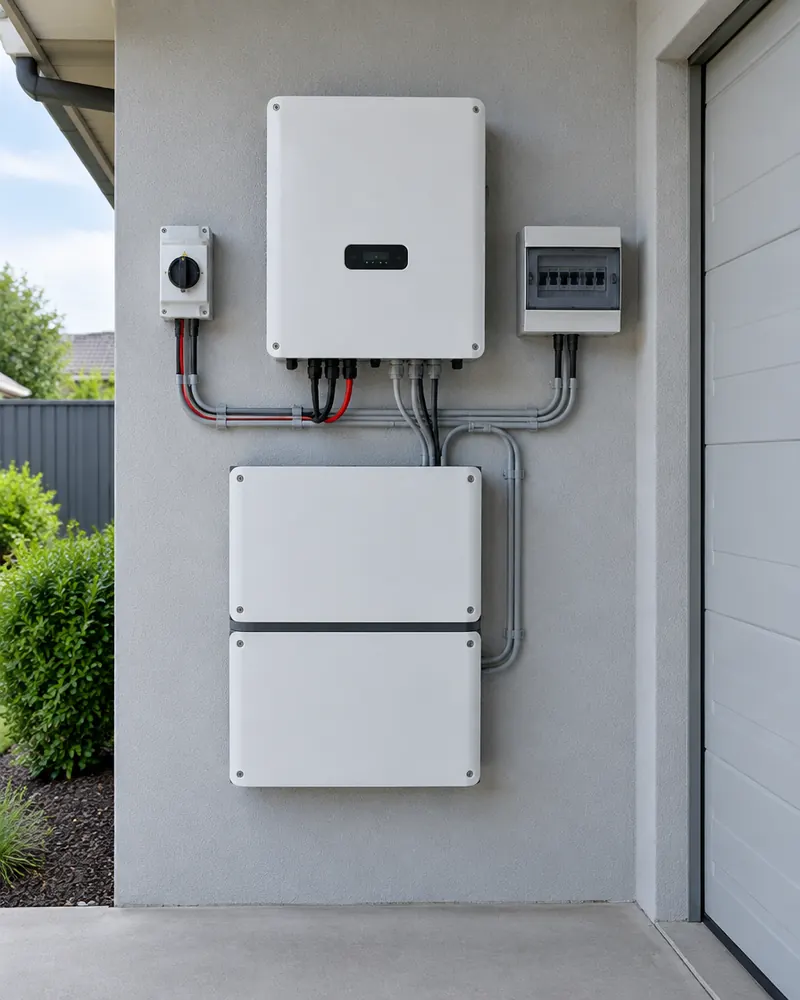
Add the running watts of everything you want on at once during a power cut. Lights, fridge, Wi-Fi, TV and a laptop come to roughly 400 to 600 W in most homes. Add the microwave or kettle if you want them on backup, and the total jumps by 1 to 2 kW. The inverter’s continuous rating should cover this total with about 25 percent headroom.
Step 2: work out daily energy
For each appliance, multiply watts by hours used per day, then add them up and divide by 1,000 to get kWh. Compare it with your bill: the monthly kWh on the bill divided by 30 is your current daily use.
Step 3: battery for the hours you need covered
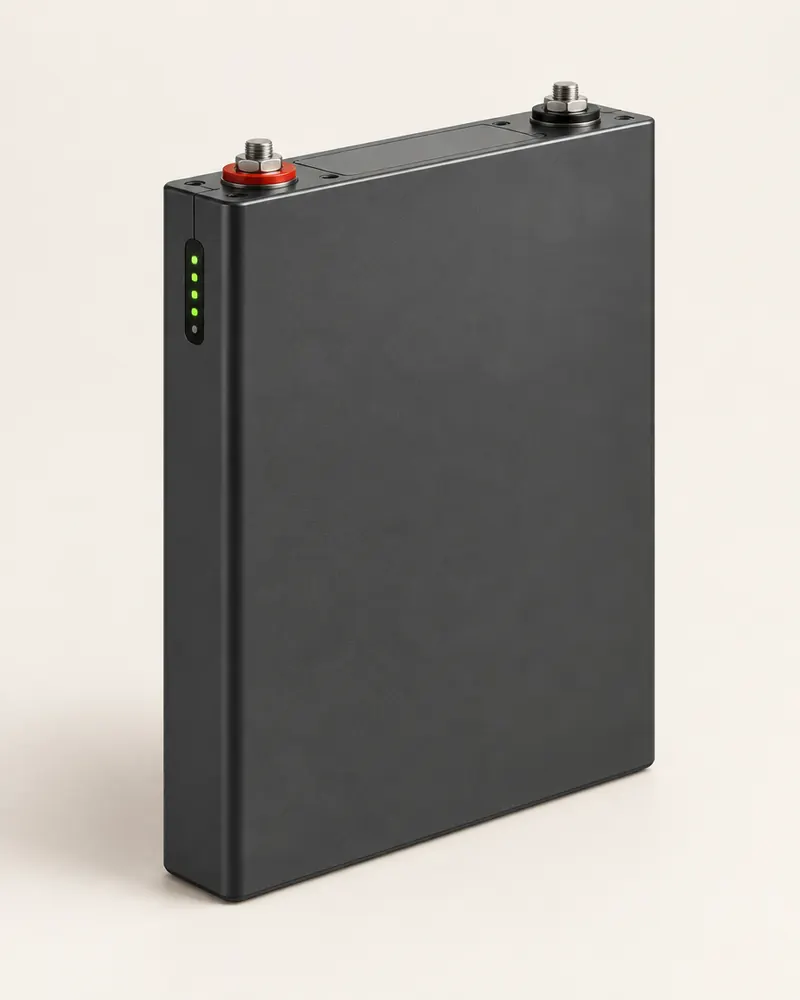
Decide how many hours the battery must carry the essentials. Multiply the essential load in kW by those hours, then divide by the usable fraction (about 0.9 for lithium). Example: 0.5 kW for 8 hours is 4 kWh, divided by 0.9 is about 4.5 kWh, so a 5 kWh battery fits.
Step 4: panels to cover the daily energy
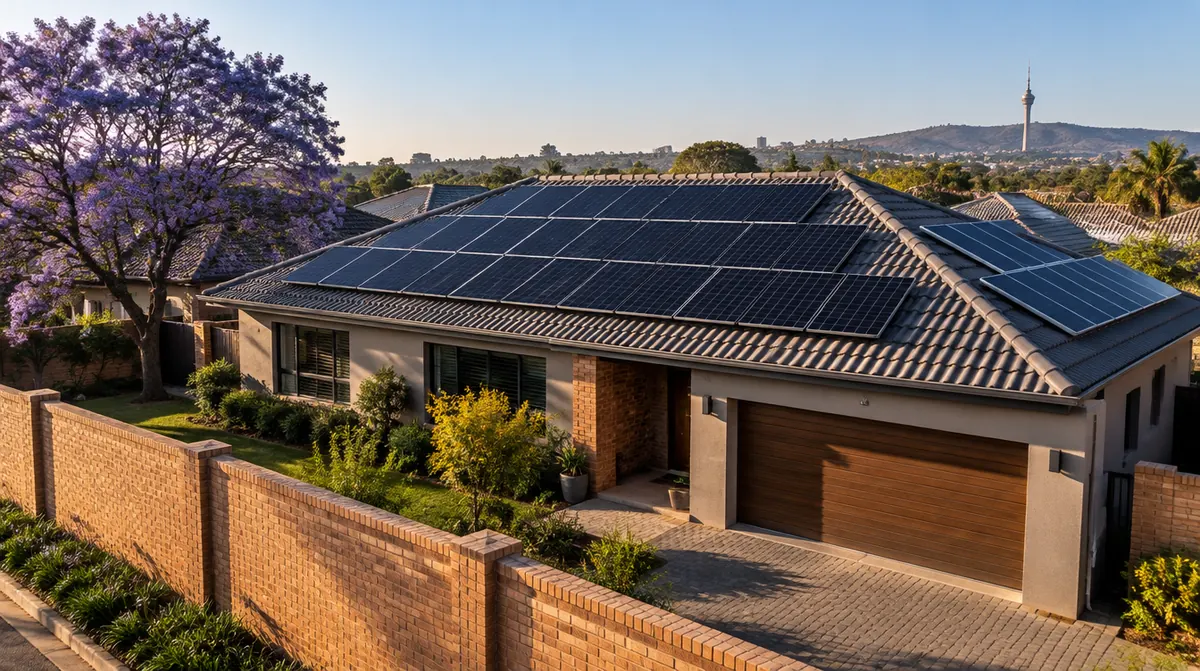
Across most of South Africa, each kilowatt of panels produces roughly 4 to 5.5 kWh a day averaged over a year, less in winter and on cloudy days. Divide your daily kWh by about 4.5, allow for losses, and you have the array size in kW. Divide by the panel wattage to get the panel count.
Where the rule of thumb breaks
Shading, east-west roofs, pool pumps, borehole pumps and anything with a motor change the answer. So does where you live: the Northern Cape gets more sun than the Garden Route. Use this to get a ballpark, then let a site visit confirm it.