Grid-tied: panels and an inverter, no battery
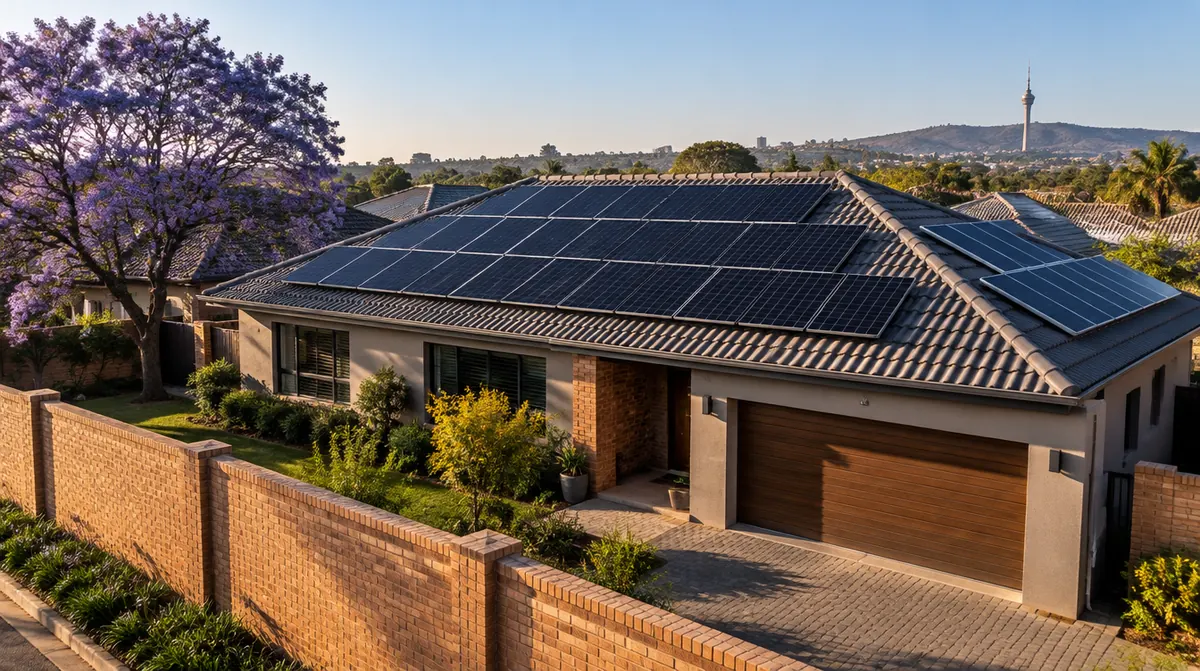
The panels feed the house during the day and the grid fills the gap. It is the cheapest way to cut a daytime bill. In a power cut it switches off by design, so it cannot back-feed the grid while someone works on the lines.
Hybrid: panels, inverter and battery, still on the grid
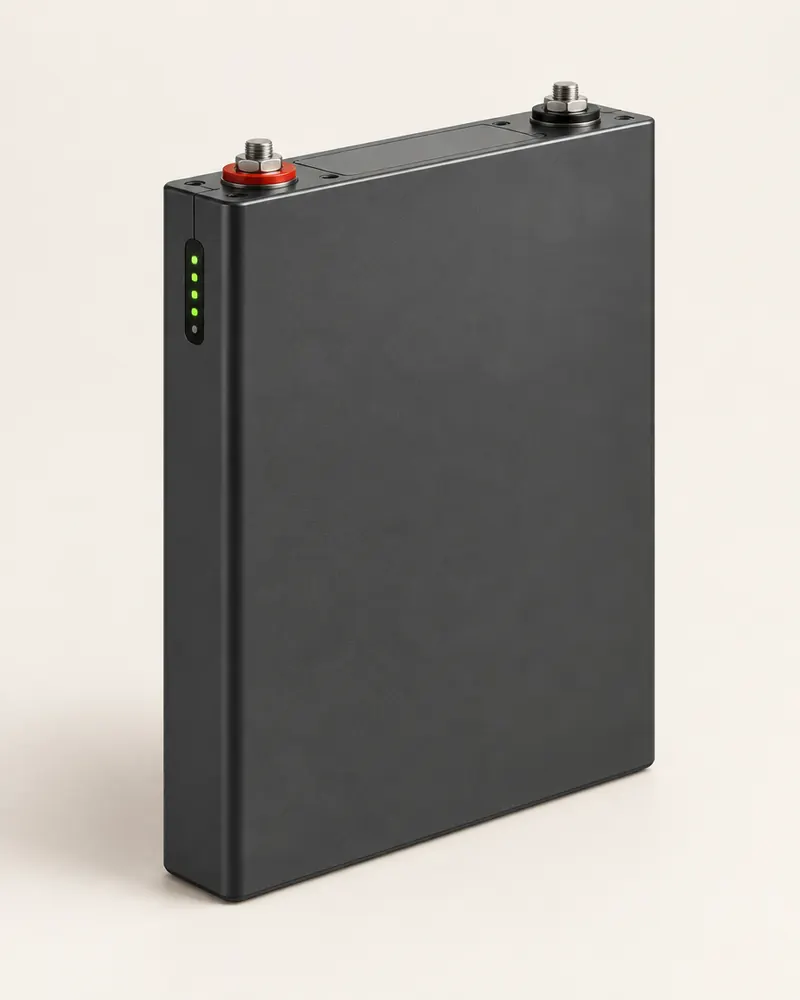
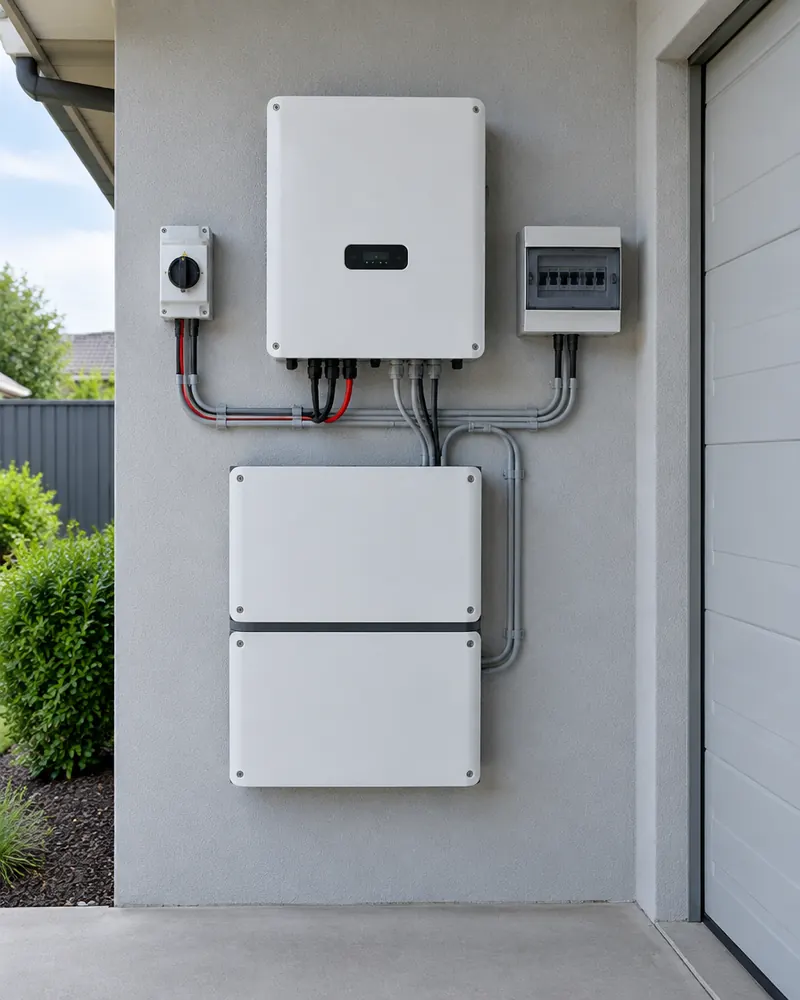
The panels power the house and charge the battery in the day. The battery carries the evening and covers power cuts. The grid is the backstop. This is what most South African homes choose, because it solves both the bill and the outages.
Off-grid: no grid at all
Panels, battery and usually a generator carry everything. It has to be sized for the worst winter week, so it costs more per kWh than a hybrid. It makes sense where the grid is far away or very unreliable.
Which one fits
Mostly daytime use and few outages: grid-tied. Power cuts matter and you want a lower bill: hybrid. No grid or a very expensive connection: off-grid.