Usable capacity
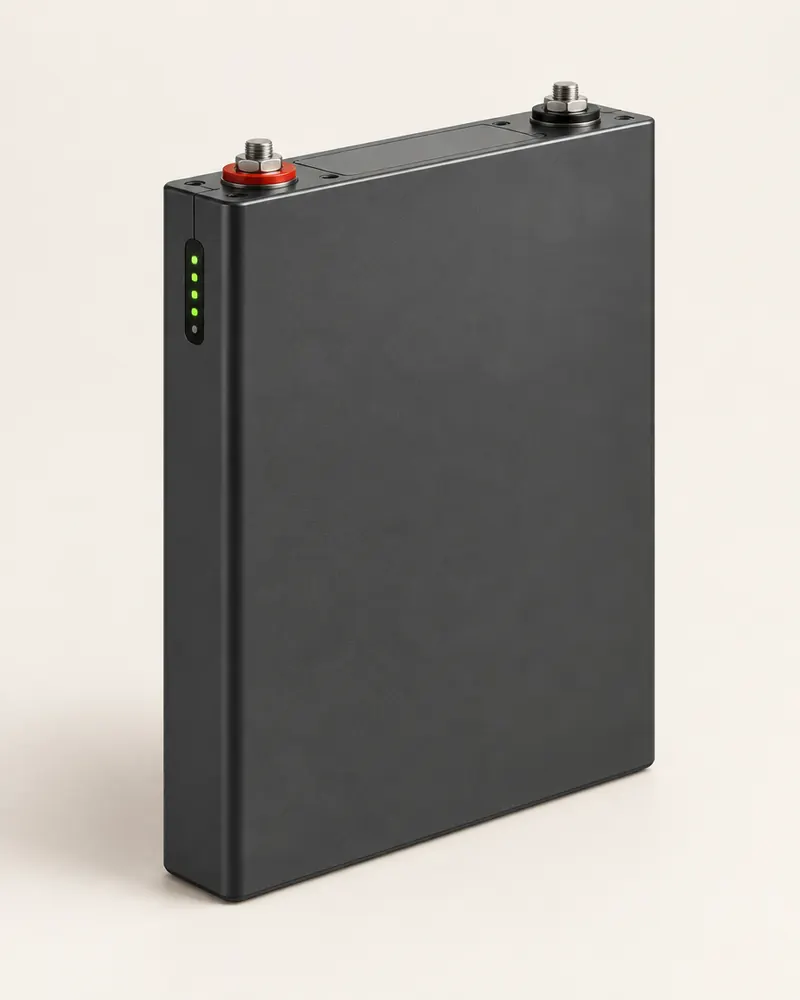
Lead-acid batteries last longest when you use only about half their capacity. LiFePO4 batteries can use most of theirs. So a 5 kWh lithium battery gives you far more usable energy than a 5 kWh lead-acid bank.
Cycle life
A cycle is one full charge and discharge. Daily solar use means hundreds of cycles a year. LiFePO4 is rated for thousands of cycles; lead-acid for far fewer when cycled deeply. Check the cycle rating at a stated depth of discharge on any datasheet.
Maintenance and space
Flooded lead-acid needs topping up and ventilation for gas. Sealed lead-acid and lithium need no topping up. Lithium is much lighter and smaller for the same usable energy.
Cost per usable kWh over its life
Divide the price by the usable kWh, then by the expected cycles. That figure, not the sticker price, is the fair comparison. For daily cycling it almost always favours lithium.